

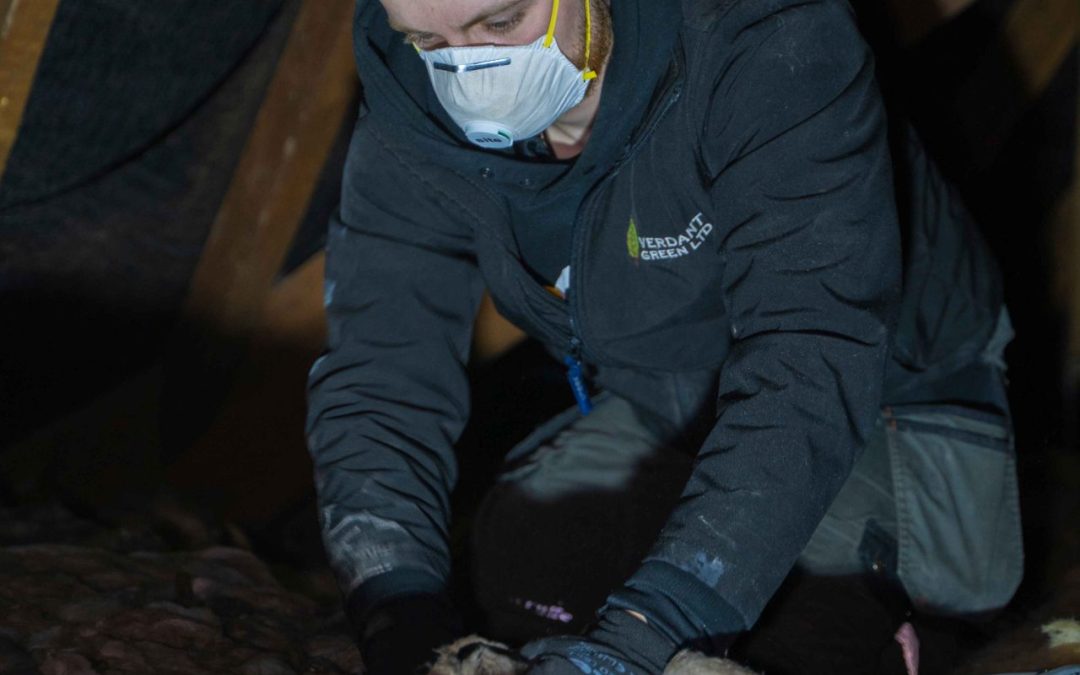
There’s nothing quite like the smell of a damp, musty loft. If you’ve been up into your attic recently and noticed condensation dripping, a faint smell of mildew, or even patches of mould on your roof timbers, you’ve got a problem that needs sorting quickly.
For homeowners in Birmingham, especially those with older properties in areas like Solihull or Sutton Coldfield, a damp loft is a surprisingly common issue. It’s often a silent problem, hidden away, but it can lead to severe structural damage and poor air quality in your home.
The good news is that the solution is usually simple: better loft ventilation.
The Hidden Culprit: Moisture Migration
Your loft is not meant to be a perfectly sealed box. In fact, it needs to breathe. The primary cause of a damp loft is moisture migration from the warm, occupied parts of your house below.
Think about all the moisture you create every day:
- Showering and Bathing: Steam rises.
- Cooking: Boiling water and simmering pots release vapour.
- Breathing: Yes, even just living in your house adds moisture to the air.
This warm, moist air naturally rises into the cold loft space. When it hits the cold surfaces—like the underside of your roof tiles or the cold air in the loft—it condenses back into water. This is the condensation you see, and it’s the perfect breeding ground for mould and mildew.
The Insulation Paradox
Sometimes, the very thing you installed to save money—your loft insulation—can make the damp problem worse if it’s not paired with proper ventilation.
Modern, thick insulation (the recommended 270mm) is fantastic at keeping the heat in your house. But it also makes the loft space above it much colder. This increases the temperature difference between the warm, moist air seeping up and the cold loft air, leading to more severe condensation.
If you’ve recently upgraded your loft insulation in Birmingham, and you’ve noticed a new damp problem, it’s a strong sign that your existing ventilation is inadequate.
How to Ventilate a Loft Properly
The goal of good loft ventilation is to create a continuous flow of air that whisks away the moist air before it has a chance to condense. This is called “cross-ventilation” or “through-ventilation.”
There are three main types of ventilation we use at VerdantGreen to ensure a healthy, dry loft:
1. Eaves Vents (Soffit Vents)
These are vents placed under the eaves of your roof, where the roof meets the wall. They allow fresh, cool air to enter the loft space at the lowest point.
The Common Problem: In older Birmingham homes, these vents are often blocked by thick, old insulation pushed right up to the eaves, or they are simply inadequate to handle the moisture being generated.
2. Ridge and Tile Vents
These vents are installed higher up, either along the roof ridge or integrated into the roof tiles. They act as the exhaust, allowing the warm, moist air (which naturally rises) to escape.
A combination of low-level intake (eaves) and high-level exhaust (ridge/tile) creates a natural, passive airflow that keeps the air moving and the moisture levels low.
3. Vapour Barriers and Pipe Insulation
While ventilation deals with the air in the loft, we also look at where the moisture is coming from. We ensure that any pipes, flues, or electrical conduits passing through the ceiling are adequately sealed and insulated. This prevents warm, moist air from the rooms below from leaking directly into the loft space.
The Risks of Ignoring a Damp Loft
Ignoring a damp loft is a false economy. The consequences can be far more expensive than installing proper loft ventilation:
- Mould and Health: Mould spores can be a serious health hazard, especially for those with respiratory issues.
- Structural Damage: Long-term damp can cause the timber roof structure to rot, leading to costly repairs.
- Insulation Failure: Wet insulation loses its thermal properties, meaning you’re paying to heat your home only for the heat to escape.
If you’re seeing black spots of mould on your roof timbers, or if your loft smells musty, you need expert advice.
Get a Professional Diagnosis from VerdantGreen
Diagnosing a damp loft isn’t always straightforward. Is it a ventilation issue? Is it a roof leak? Is it simply a lack of a proper vapour barrier?
At Verdant Green, we don’t just install loft insulation and loft boarding; we are experts in the entire loft environment. We understand the specific challenges of the housing stock across the West Midlands, from the terraces of Kings Heath to the semi-detached homes of Erdington.
We offer a comprehensive loft health check. We’ll inspect your existing insulation, check your eaves for blockages, and assess your current ventilation system to determine precisely what is causing the damp. We can then recommend and install the right solution to ensure your loft is dry, healthy, and energy-efficient.
Don’t let a damp loft become a disaster. Contact Verdant Green today for a professional assessment and learn how to ventilate a loft properly for a healthier, safer home. We are your trusted local specialists for loft ventilation in Birmingham and the surrounding areas.
